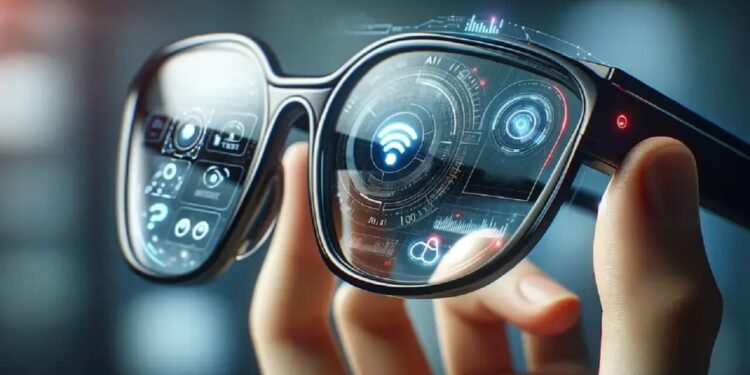
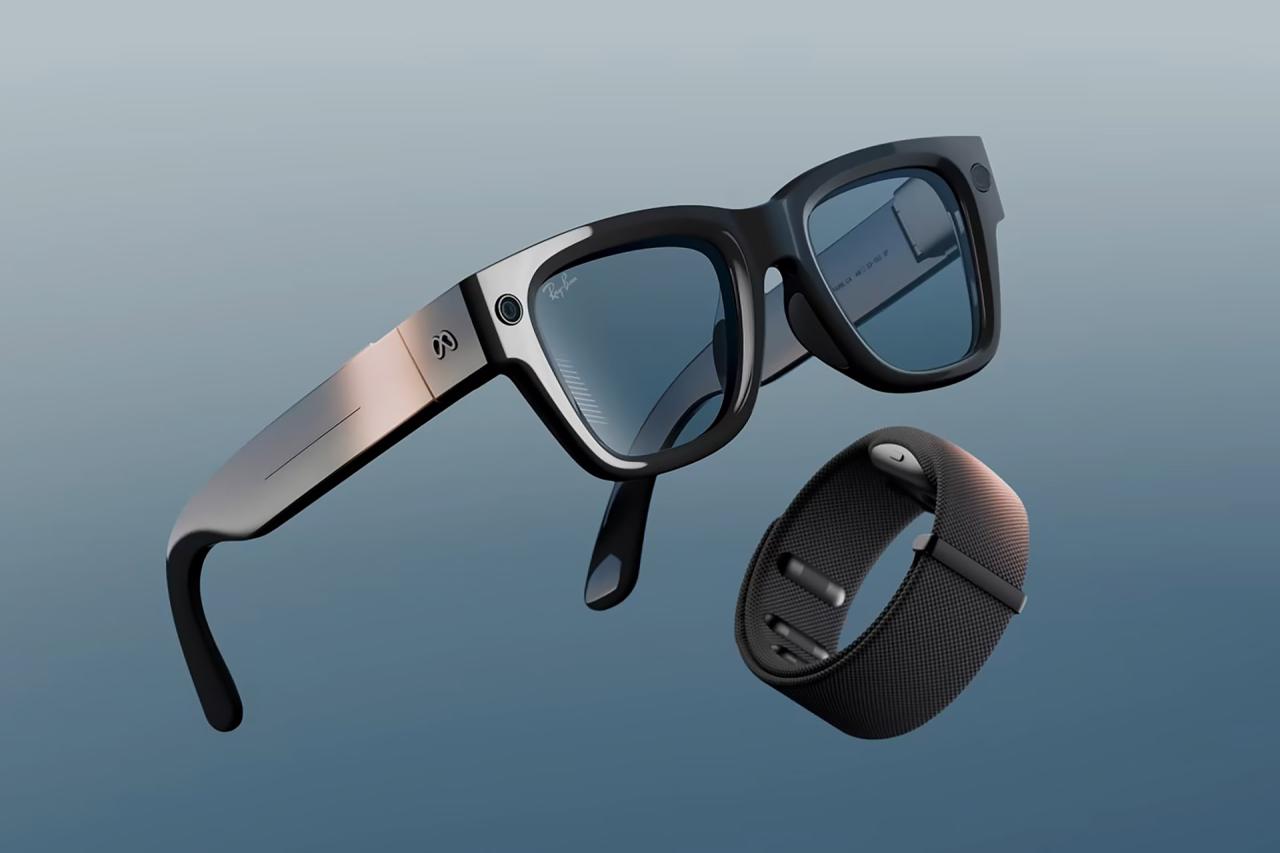
In an era where technology seamlessly integrates into the fabric of daily life, the line between innovation and intrusion has never been more blurred. Meta’s Ray-Ban smart glasses, a sleek fusion of classic eyewear and cutting-edge artificial intelligence, have stormed the market, selling over seven million units and becoming one of the fastest-growing consumer electronics in history . They promise a future of hands-free photography, immersive audio, and an AI assistant ready to answer questions about the world around you. However, beneath the polished surface of this technological marvel lies a disturbing reality: a burgeoning privacy crisis that threatens to turn personal devices into instruments of mass surveillance. This article delves deep into the alarming dangers of Meta’s smart glasses, exploring the secret human review of intimate videos, the looming threat of facial recognition, the legal battles unfolding, and what this means for the future of privacy in public spaces.
The Allure and the Alarm: Understanding Meta’s Smart Glasses
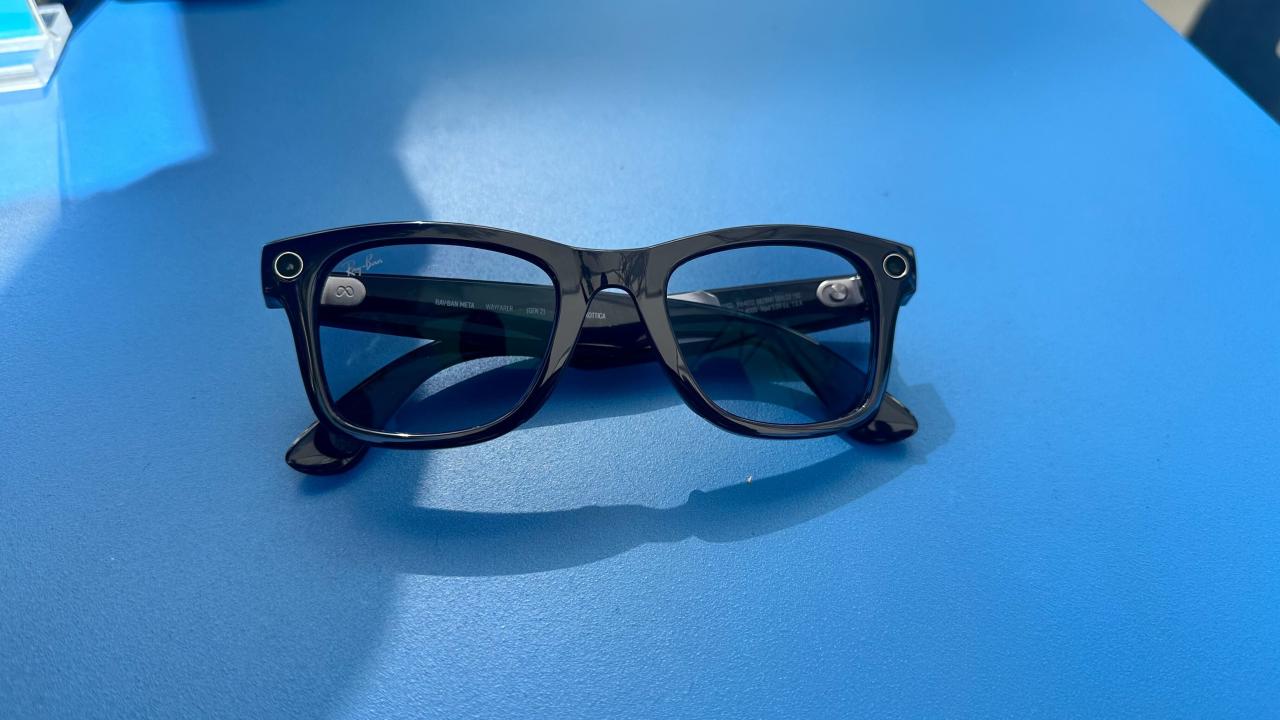
The proposition of Meta’s AI-powered glasses is undeniably attractive. For many, the ability to capture a moment, listen to a podcast, or take a call without ever reaching for a phone is a compelling convenience. The glasses, developed in partnership with eyewear giant EssilorLuxottica, offer the classic, stylish aesthetic of Ray-Bans, making them virtually indistinguishable from standard eyewear . This design choice, however, is a double-edged sword. While it promotes user adoption by eliminating the “geeky” stigma associated with earlier models like Google Glass, it also enables a level of discreet recording that has never been possible before. An almost invisible camera is embedded in the frames, and a tiny LED light, intended to signal when recording is active, is often dim and easily overlooked, especially in bright daylight . This combination of function and form creates a perfect storm for privacy violations, as bystanders rarely know they are being filmed, and sometimes, even the wearers themselves are unaware of the extent of the data being captured and shared.
The Nairobi Data Mines: When Your Private Life Becomes Training Data
Perhaps the most shocking revelation in the Meta smart glasses saga is the human element behind the AI training. It has come to light that a vast workforce of data annotators in Nairobi, Kenya, often employed by a subcontractor named Sama, are tasked with reviewing raw, unfiltered footage captured by the glasses to improve Meta’s AI algorithms . For these workers, the daily reality is not analyzing benign queries but witnessing the most private and intimate moments of users’ lives. According to an investigation by Swedish newspapers Svenska Dagbladet and Göteborgs-Posten, these contractors have reported seeing everything from people undressing and using the toilet to engaging in sexual activity, all recorded from the perspective of the glasses . One worker was quoted as saying, “We see everything – from living rooms to naked bodies,” while another described seeing a man’s glasses left recording in a bedroom where they later filmed his wife undressing without her knowledge .
The Data Flow and the Illusion of Privacy
The core of the issue lies in how these devices function. When a user activates the “live AI” feature to ask a question about their surroundings, the glasses are not simply processing the query locally. Instead, the camera and microphone begin continuously recording short clips that are uploaded to Meta’s servers for processing . This data is transmitted globally, and while Meta states that data is filtered to protect privacy—for instance, by blurring faces—workers have confirmed that this filtering often fails, allowing them to see peoples’ faces, bank cards, and private conversations . Although Meta’s privacy policy technically states that interactions with its AI may be reviewed by humans, users are often unaware of this reality . The convenience of the device comes at a cost they did not explicitly consent to: their most vulnerable moments could be viewed by a stranger thousands of miles away. This practice has sparked outrage, leading to class-action lawsuits against the company for failing to disclose the true nature of its data collection and for allegedly turning personal devices into “a surveillance channel” .
The Looming Threat of Facial Recognition: “Name Tag” and Mass Surveillance
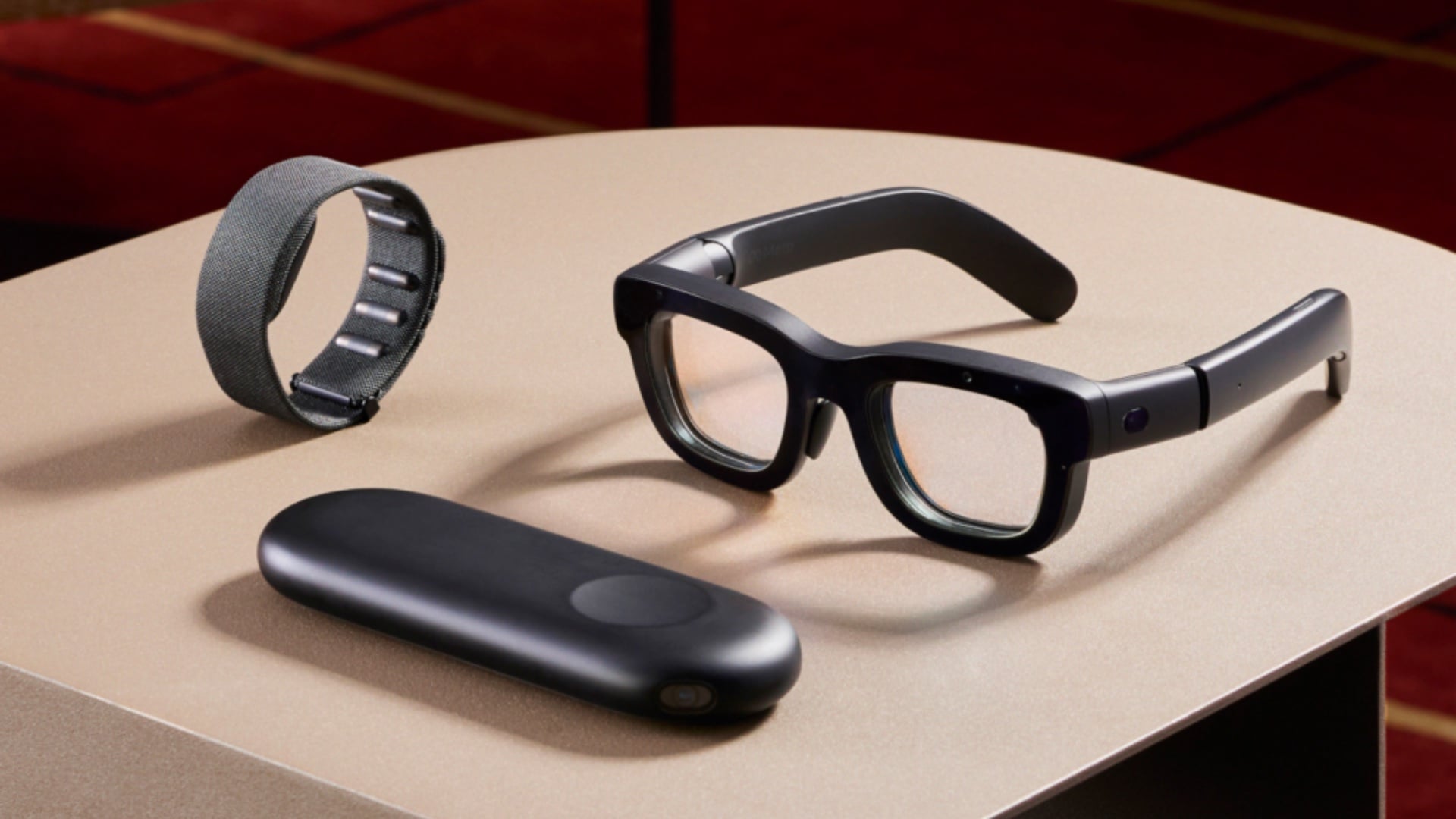
If human review of videos is a problem of the present, the integration of facial recognition technology represents a terrifying leap into the future. Reports have surfaced that Meta has been preparing a feature, internally code-named “Name Tag,” which would allow the smart glasses to use facial recognition to identify individuals in real-time . Code for this feature has been found embedded in the Meta AI smartphone app, raising concerns that the company has gone beyond theoretical planning and has begun testing how face identification would work within its smart glasses ecosystem .
The Biometric Data Dilemma
The implications of “Name Tag” are staggering. The feature would allow the glasses to capture a face, convert it into a unique biometric signature or “faceprint,” and compare it against a database of faces to identify the person . This could be limited to a user’s friends list or, in a far more dystopian scenario, could tap into the billions of public accounts on Facebook and Instagram, identifying any individual on the street, revealing their name, occupation, and personal information . The prospect of this technology has alarmed civil rights groups, with a coalition including the ACLU and Access Now warning that it poses risks that “no design or protection measures can mitigate” . They argue that this would fundamentally erase anonymity in public, creating a world where individuals are passively scanned and catalogued as they go about their daily lives, fueling the risk of stalking, harassment, and doxxing .
Regulatory and Government Intervention
This threat has not gone unnoticed by lawmakers and regulators. The UK’s Information Commissioner’s Office (ICO) has contacted Meta expressing concern over the reports of human data review, requesting information on how the company is meeting its obligations under UK data protection law . In the United States, Texas Attorney General Ken Paxton has launched an investigation into the glasses to protect Texans from “unlawful monitoring and collection of facial data,” citing concerns about “always enabled” modes and the potential for surreptitious data collection . Furthermore, U.S. Senators have written to Mark Zuckerberg demanding transparency on Meta’s plans for facial recognition, questioning how the company will ensure consent, allow for data deletion, and prevent the technology from being used for government surveillance or civil rights abuses .
The Legal and Societal Reckoning
The escalating privacy concerns are translating into tangible legal and social consequences. Class-action lawsuits have been filed by users who argue they were misled about how their data would be used, alleging that Meta’s privacy representations are deceptive . At the same time, a grassroots backlash is brewing. There are numerous documented cases of women being covertly filmed in public, with the videos gaining traction and abuse online . Stories are emerging of men using the glasses to film unsuspecting women for “prank” content or to record their reactions to pick-up lines without consent, creating a new frontier for harassment . The general public is becoming wary, with some establishments and private companies considering bans on smart glasses to prevent covert recording, and developers even building apps to detect nearby wearables .
A Historical Parallel: The Ghost of Google Glass
The situation with Meta’s smart glasses draws an uncanny parallel to the spectacular failure of Google Glass over a decade ago. While Google’s product was plagued by a high price tag and a “geeky” design, its core downfall was the same public backlash over privacy that Meta is now facing. Society was not ready for a world where recording could be done so discreetly, and the social stigma of being a “glasshole” ultimately killed the product . While Meta has succeeded commercially where Google failed, it seems to be replicating the very mistakes that doomed its predecessor. The long-term viability of this technology hinges on whether society will accept a reality where every interaction in public could be recorded, analyzed, and potentially stored by a third party.
Conclusion: The Path Forward
The Meta smart glasses crisis is more than just another privacy scandal; it is a stark warning about the direction of consumer technology. The convenience of having a powerful AI assistant is being weighed against the fundamental right to privacy, and for many, the scales are tipping dangerously out of balance. The integration of AI, constant video capture, and the potential for facial recognition creates a surveillance apparatus unlike anything seen before, one that is distributed, decentralized, and carried by millions. While Meta has stated it takes privacy seriously and that features like “Name Tag” are not yet confirmed to launch, the presence of the code and the actions of its contractors tell a different story. As Senator Markey and his colleagues aptly stated, embedding facial recognition into consumer wearables risks entrenching a system in which Americans are “routinely scanned, catalogued, and analyzed as they move through daily life an outcome fundamentally incompatible with a democracy” .
Ultimately, the onus is on both the company and the consumer. Tech companies must be forced to implement far more robust safeguards, ensure genuine and explicit consent, and abandon technologies that enable pervasive surveillance. As individuals, the public must remain vigilant, demanding accountability and recognizing that the hidden cost of a new gadget may be their own privacy.