
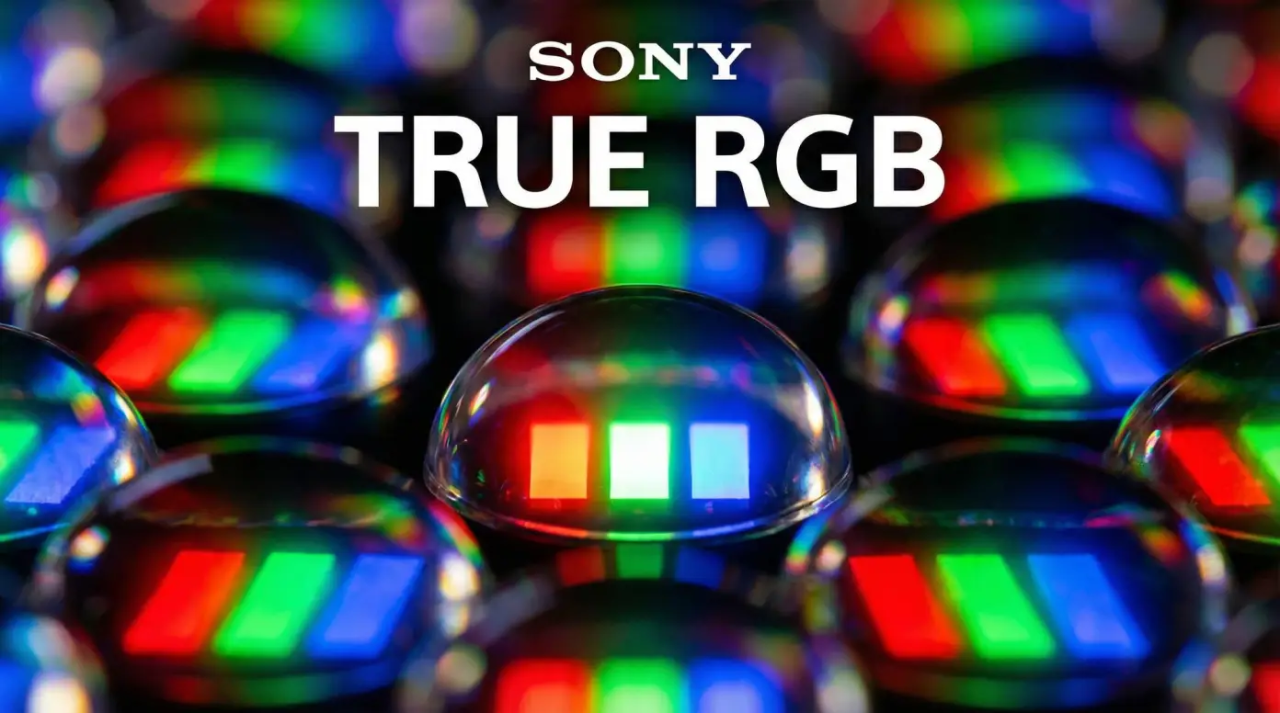
In an era where television technology has made unprecedented leaps in the last decade, the journey towards perfect visual fidelity continues to push boundaries. For years, consumers have been caught between the choices of OLED’s perfect black levels and Mini LED’s exceptional brightness. However, Sony, a company with a long history of pushing display technology boundaries , appears to have bridged the gap with its latest innovation. The company has introduced a groundbreaking display system that promises to redefine home entertainment. This technology, known as “True RGB” or the “RGB High-Density LED Display System,” shifts the paradigm of how color is created on screen. Instead of relying on conventional filters, it uses independent red, green, and blue LEDs. The result is a significant leap in color volume, brightness, and viewing angles that brings the creators’ intent closer to the living room than ever before.
The Genesis of a Display Revolution
Sony’s Two-Decade Journey with RGB
Contrary to popular belief, the idea of using RGB LEDs in televisions is not entirely new for Sony. The company’s current breakthrough is the culmination of over twenty years of dedicated research and development. This history is crucial in understanding the maturity and sophistication of the technology we are about to see in new TVs in 2026. The journey began in 2004 when Sony introduced the world to the Qualia 005 . This was a pioneering product, marking the first time a consumer television utilized a full-array RGB LED backlight. At the time, it was a monumental technical achievement that set a new standard, albeit at a price point that placed it in a niche category for hardcore enthusiasts . The Qualia 005’s legacy wasn’t its market penetration but its demonstration of what was possible.
Following this ambitious start, Sony continued to refine its backlight control technologies. In 2008, the X4500 model introduced the “Dynamic Backlight System,” which became a standard for high-end LCD TVs . This was followed by the Z9D in 2016, which featured the “Backlight Master Drive,” enabling even more precise control over individual LEDs . This progressive refinement over two decades has provided Sony with a deep understanding of LED characteristics, optical control, and heat management. It is this accumulated knowledge that allows Sony to now successfully commercialize a high-density, independently controlled RGB LED system. Sony’s television chief engineer, Kunimasa Soma, emphasized this long-term commitment, framing the new system not as a sudden invention but as the next logical step in a long evolutionary process .
How True RGB Differs from Conventional LED TVs
To appreciate the breakthrough, one must understand the limitations of current technology. Traditional LED TVs, including many Mini-LED models, typically use blue or white LEDs as a light source . To produce red and green colors, these TVs rely on a color filter on the LCD panel, or quantum dots, to convert the light. This process of conversion inherently leads to a loss of efficiency and color purity. The light is filtered, meaning much of its intensity is lost, and the resulting color spectrum is not as pure as it could be. This often results in colors that can look washed out or less vibrant than originally intended . Furthermore, achieving high brightness in these systems often involves pumping more light through the filters, which can lead to blooming and light leakage, especially on dark scenes.
Technical Marvels of the True RGB Display System
The Core Principle: Independent Control of Three Primary Colors
Sony’s new RGB High-Density LED Display System addresses these fundamental issues at the source. Instead of using a single-color light source, the system uses a dense array of LEDs that emit red, green, and blue light. Crucially, each color diode can be driven independently . This means the backlight itself is actively part of the color creation process rather than just a source of white light that needs to be filtered. Because the light source is already the primary color, it does not need to pass through a filter that absorbs most of its energy. This results in higher light efficiency and, more importantly, significantly purer colors. The system’s ability to precisely control the intensity of each RGB channel allows for an exceptionally wide color gamut, reportedly covering over 99% of the DCI-P3 color space and approximately 90% of the ITU-R BT.2020 standard, which is used for professional HDR content .
Peak Brightness and the 96-bit Signal Processing
One of the most stunning specifications of this new system is its peak brightness capability. Sony has achieved a peak brightness of over 4,000 nits with this technology . This level of luminance allows for a viewing experience that closely mimics real-life brightness levels and high-quality HDR mastering monitors. For context, most high-end OLED TVs today peak at around 800 to 1,500 nits. This leap in brightness has a profound impact on HDR content, allowing bright highlights like the sun reflecting off a car, explosions, or flashes of lightning to appear incredibly realistic and striking. However, brightness alone is not enough; it must be controlled to avoid washing out colors.
The Dynamic Power Allocation System
To manage the extraordinary brightness and color potential of the RGB system, Sony has implemented a sophisticated dynamic power allocation system . Conventional high-brightness TVs often concentrate power on small bright elements like stars in a night sky to boost peak brightness readings. This can lead to a loss of overall color saturation in those bright areas. Sony’s approach is different; it dynamically allocates the optimal power to each RGB channel based on the specific scene requirements . This ensures that bright areas are not only luminous but also highly saturated with the correct color. For example, a single-tone scene like a deep blue sky or vibrant red autumn foliage can be rendered with brilliant, rich detail because the system can allocate full power to the blue and red channels respectively without introducing white light that would desaturate the image .
Dedicated Control Processor
Controlling hundreds of thousands of RGB LEDs, each potentially requiring different power and brightness levels, is an immense computational challenge. To handle this, Sony has developed a new, dedicated backlight control processor . This processor works in tandem with Sony’s XR cognitive processor to deliver highly precise control. It features high-speed, high-precision signal processing at 96 bits . This bit rate is crucial for delivering smooth, accurate color gradations without banding, especially in areas with subtle color shifts, like a sunset sky. The processing power ensures that the right amount of light is sent to the right pixel at the right time, minimizing bloom and haloing effects that can plague other LCD technologies.
The Three Pillars of the True RGB Experience
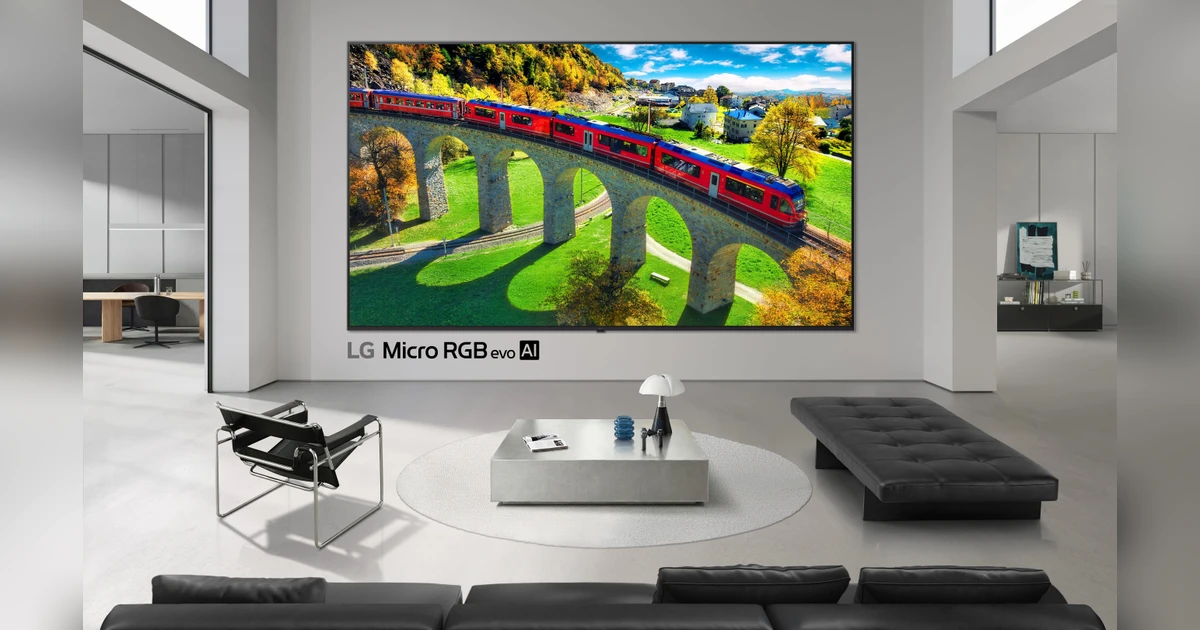
The combination of these technologies results in three key performance pillars that define the True RGB experience.
Unprecedented Color Accuracy and Volume
The term “color volume” refers to a display’s ability to maintain color saturation even as brightness increases. Traditional displays often have colors that become less saturated as they get brighter, leading to a washed-out look in HDR highlights. Sony’s True RGB technology excels here by maintaining high color purity across the entire brightness range . Because the RGB LEDs produce pure color directly, the system can display vibrant, saturated colors at high brightness levels. This creates a more three-dimensional and lifelike image that is a significant step beyond what is achievable with QD-OLED or conventional Mini-LED TVs . This capability ensures that the intense colors seen in nature or in a director’s palette are reproduced with stunning fidelity.
Perfecting Brightness and Contrast
The 4,000-nit peak brightness capability of the True RGB system is a game-changer for HDR content . This high brightness is not just about being able to produce a blindingly bright image; it’s about expanding the dynamic range between the darkest shadows and the brightest highlights. This capability allows for incredible specular highlights on metals, realistic reflections on water, and a general sense of “punch” and realism to the picture. Furthermore, the precision control of the RGB LEDs is highly effective at preventing “blooming,” where light from bright objects spills over into dark areas . This precise control ensures that the black levels remain deep and inky, approaching the performance of OLED panels, while simultaneously offering peak brightness that far exceeds it. The system also performs excellently in dark areas, accurately depicting nuances of light and shadow without “black crushing,” where details are lost in darker scenes .
Active Wide Viewing Angle
One of the historical weaknesses of LCD technology has been a narrow viewing angle . As viewers move off-axis, the image can lose contrast and colors can shift. To address this, Sony has developed a proprietary technology called “Active Wide Viewing Angle” . Unlike traditional solutions that rely on additional films that can reduce contrast, Sony’s active approach uses software and the high-precision control of the RGB backlight to minimize color shifts and brightness variations when viewed from a side angle . This ensures that the stunning picture quality is preserved for everyone in the room, not just the person sitting directly in front of the TV. Sony has integrated a feature called X-Wide Angle Pro in its upcoming True RGB TVs to complement this .
The End-to-End Vision: “From Lens to Living Room”
Sony has a unique position in the entertainment industry. It is involved in virtually every step of the content creation process, from the cameras used on set to the monitors used in post-production. This gives the company a distinct advantage in understanding what “accurate color” truly means. The development of the True RGB technology is deeply rooted in this professional ecosystem. Sony uses its professional CineAlta cameras and its line of BVM-HX3110 flagship reference monitors to define the color standards for the industry . The goal of its consumer TVs is not just to look good but to faithfully reproduce the creator’s intent, ensuring that what viewers see in their living room is as close as possible to what the director saw on the master monitor.
The True RGB system leverages this “From Lens to Living Room” philosophy to create a seamless pipeline of accurate color and contrast. Sony aims to bring the accuracy of its 4,000-nit professional mastering monitors directly into the home . This direct lineage ensures that content is not only visually stunning but also authentic to the creative vision. The technology is also designed to be scalable, allowing for very large screen sizes (Sony has announced a 115-inch model) without compromising on quality, a challenge that OLED technology still struggles with . Sony executives have confirmed that the company is working with strategic partners like MediaTek for the SoC, ROHM for the LED drive IC, and Sanan Optoelectronics for the LEDs themselves to bring this vision to life .
The New BRAVIA True RGB Lineup
Sony officially introduced the first consumer televisions featuring this groundbreaking technology in 2026. The lineup is headlined by the BRAVIA 9 II, positioned as the flagship model, and the BRAVIA 7 II, which brings the core True RGB experience to a broader audience .
BRAVIA 9 II: The Ultimate Expression
The BRAVIA 9 II is where Sony has pushed the technology to its absolute limit. It features the most advanced version of the True RGB technology, including newly developed LED controllers for the highest level of backlight control . This model is designed for the most discerning home theater enthusiasts. The BRAVIA 9 II also introduces an “Immersive Black Screen Pro,” an innovative glare-free and anti-reflective screen treatment developed in collaboration with Sony Pictures Entertainment to ensure deep blacks and high contrast even in bright viewing environments . This flagship model is available in sizes up to 115 inches, offering a truly cinematic experience at home.
BRAVIA 7 II: True RGB for Everyone
The BRAVIA 7 II aims to make this advanced technology more accessible. While it retains the core independent RGB LED system, it does so in a more streamlined package. It features a wide range of screen sizes, from 50 to 98 inches, making it suitable for various room sizes and budgets . This model delivers on the core promise of True RGB: high color volume, impressive brightness, and consistent colors from wide viewing angles. It is designed to be the new baseline for what a premium TV should be, bringing the benefits of Sony’s latest development to a wider audience.
Conclusion: A Pivotal Moment for Visual Technology
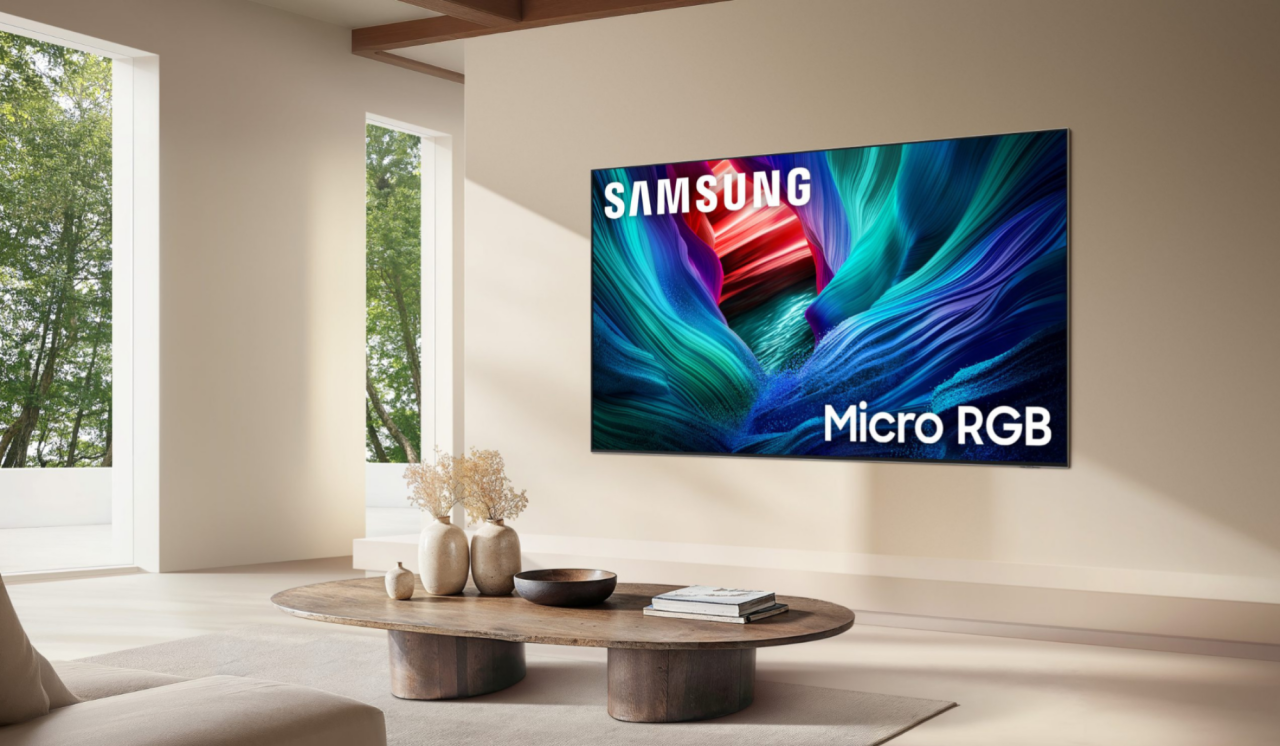
Sony’s development of the True RGB High-Density LED Display System marks a pivotal moment in the history of television. It is a direct response to the fundamental trade-offs that have plagued the display industry for years. Consumers no longer have to choose between the perfect blacks of OLED and the high brightness of LED. By pioneering a system where red, green, and blue LEDs are independently and precisely controlled, Sony has managed to deliver on the promises of both technologies while introducing its unique benefits.
The result is an unprecedented combination of high color volume, a peak brightness of over 4,000 nits, and the ability to maintain color accuracy and contrast from virtually any viewing angle. This technology transcends mere specs; it represents Sony’s deep commitment to its “From Lens to Living Room” philosophy, utilizing its unique position in the content creation chain to deliver the director’s vision directly to the home viewer. The ability to build TVs at larger sizes up to 115 inches further sets it apart from OLED, offering a path to truly immersive home cinema experiences that were previously impractical or impossibly expensive. The introduction of the BRAVIA 9 II and 7 II series signifies that this technology is not a distant dream but a present reality available to consumers.
After twenty years of research, Sony has redefined the visual landscape. For film enthusiasts, gamers, and anyone who cherishes visual quality, the new era of True RGB TVs represents a significant leap forward in how we experience visual content. It is a powerful testament to the fact that when it comes to visual technology, the future is bright, vibrant, and incredibly detailed.