
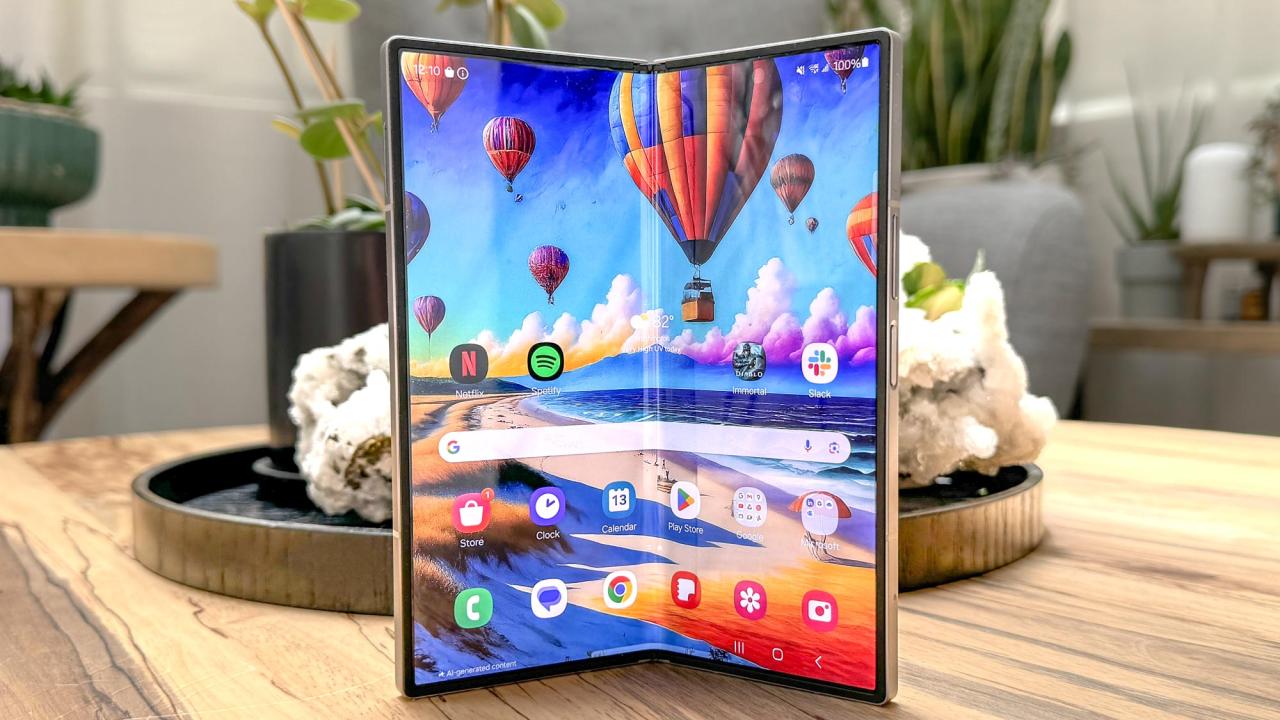
For years, the folding smartphone has been a symbol of technological ambition, a device that promises the portability of a phone with the expansive screen real estate of a tablet. Yet, this promise has been consistently marred by a single, stubborn flaw: the visible crease that runs down the center of the display. This physical imperfection has been a point of contention for users and a significant hurdle for manufacturers. It affects not only the device’s aesthetics but also the tactile experience and, for some, the perception of long-term durability. However, the industry is now on the cusp of a major breakthrough. Samsung, a pioneer in the foldable market, has showcased a new generation of OLED technology that aims to render the crease nearly invisible, potentially changing the landscape of mobile devices forever .
The Persistent Problem of the Crease
The crease is not a design choice but an unavoidable consequence of the physics of folding. When a display is bent, the materials that make up the screen—the ultra-thin glass, the OLED panel, and the supporting layers—are subjected to immense stress. At the point of the fold, the material is compressed on the inside and stretched on the outside. Over time, this repeated stress leads to a permanent deformation, manifesting as the unsightly and often palpable crease we see on current devices .
This issue has persisted through several generations of foldable phones. Despite improvements from all major players, including Samsung, Google, and Huawei, the crease remains a defining characteristic of these devices, a constant reminder of the mechanical compromise at their heart. The industry has sought a solution that doesn’t just minimize the crease but effectively eliminates it, moving closer to the seamless flat-panel experience users expect from a premium device .
Samsung’s Technological Leap at CES 2026
The turning point appears to have come at CES 2026, where Samsung Display reportedly surprised attendees with a prototype of a foldable device that featured a completely flat, crease-free screen. The demonstration, which was quickly removed from the show floor, left a significant impression on tech observers, suggesting a genuine breakthrough rather than just an incremental improvement .
This new panel, rumored to be destined for the highly anticipated Galaxy Z Fold 8, is not a single innovation but a combination of several advanced material science and engineering solutions aimed at tackling the root cause of the crease . The core philosophy behind Samsung’s new approach appears to be moving from a rigid structure that resists folding forces to a more dynamic and flexible one that adapts to them.
The Key Innovations Behind a Crease-Free Future
Several key technological advancements work in concert to achieve a near-creaseless display. These innovations target the very structure of the foldable screen, from the glass covering to the supporting backplate.
A. The Dual Ultra-Thin Glass (UTG) Structure
One of the most significant reported upgrades is the implementation of a dual UTG structure . Traditionally, foldable displays use a single layer of ultra-thin glass on top of the OLED panel. This glass is flexible enough to bend but still susceptible to deformation. The new design reportedly adds a second layer of UTG beneath the OLED panel .
By reinforcing the display from both sides, the stress from repeated folding is distributed more evenly across the panel’s structure. This dual-layer approach provides greater support, helping to prevent the deep, permanent wrinkles that form over time. It is a more robust solution, strengthening the entire display assembly against the mechanical strain of folding and unfolding .
B. The Punch-Hole Backplate Design
Perhaps the most ingenious aspect of the new design is the modification of the backplate, the internal support layer that sits between the OLED panel and the hinge . In current models, the backplate is a solid, rigid piece. When the phone is folded, all the compressive force is concentrated at the center of this plate. Because the glass cannot bend inward, the pressure causes the flexible glass layer to deform, creating the crease .
Samsung’s solution is to “weaken” this backplate by creating microscopic holes or perforations using a laser drilling process . The theory behind this design is based on load-bearing principles. In essence, the holes act as “escape routes” for the material’s stress. When the device is folded, the screen material can gently push into these gaps and move deeper into the frame, relieving the direct pressure on the central area. Instead of trying to resist bending forces with rigidity, this design embraces them with flexibility, allowing the material space to move and spring back . This engineering approach helps distribute tension across the entire screen rather than concentrating it at a single point, effectively reducing the likelihood of permanent deformation .
C. Enhanced Laminate and Adhesive Layers
Beyond the structural components, Samsung is also refining the adhesives that bind the display layers together. The optical clear adhesive (OCA) layer plays a crucial role as a buffer. Reports suggest Samsung Display has modified the OCA layer to have lower stiffness compared to previous generations . This allows for more flexible cushioning between the OLED layer and the UTG during the folding process, further minimizing the potential for wrinkles to form . This, combined with an optimized laminate structure, contributes to the overall goal of a smoother, flatter screen .
D. Next-Generation Hinge Mechanism
A foldable screen is only as good as the hinge that supports it. Samsung’s recent foldables have already seen significant improvements, such as the third-generation FlexHinge introduced with the Galaxy Z Fold7, which is thinner and lighter. More importantly, its wingplate opens wider to deliver a flatter screen . The innovations hinted at for the Fold 8 suggest a refinement of this hinge and panel structure, working in harmony with the new display technology to achieve a truly crease-free look .
Impact on User Experience
The move towards a crease-free display has profound implications for the user experience. It is not merely an aesthetic upgrade but a fundamental improvement to how users interact with their devices .
-
Seamless Visual Experience: The most immediate benefit is a seamless visual experience. When using apps, reading e-books, or watching videos in full-screen mode on a large 7.6-inch display, the crease acts as a distracting visual break. Eliminating it allows for uninterrupted content consumption, making the unfolded screen feel like a true, high-end tablet .
-
Improved Tactile Feel: The physical sensation of running your finger over the crease, especially during actions like drawing or scrolling, can be jarring. A completely flat screen provides a more natural and premium feeling interaction, which is crucial for productivity and creative tasks.
-
Enhanced Durability: By distributing stress more effectively, the new technology doesn’t just reduce the crease; it likely reduces the overall strain on the display’s components . This could lead to a more durable device that can withstand the rigors of daily folding and unfolding for a longer period.
-
Premium Perception: For Samsung, conquering the crease is a statement of maturity in the foldable category. It shows they have overcome one of the fundamental engineering challenges, solidifying their position as a leader and making foldable phones a more attractive proposition for mainstream consumers who may have been previously put off by the display’s imperfection .
Market Implications and Competition
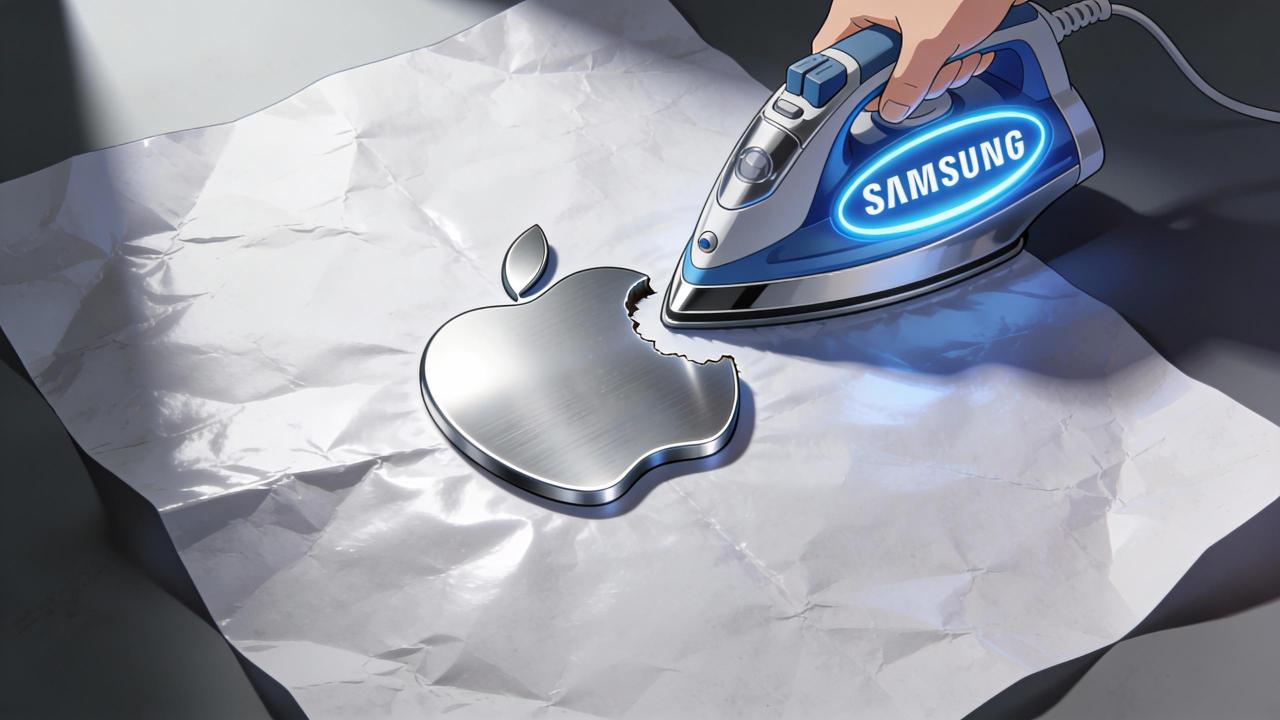
The introduction of this crease-free display is a strategic move for Samsung, especially with the anticipated entry of a foldable iPhone into the market . Interestingly, while both Samsung and Apple are reportedly using the same core OLED panel from Samsung Display, they have chosen different materials for the structural support plate. Apple has reportedly opted for a glass substrate, while Samsung’s MX division has selected a metal plate to reinforce the foldable structure . This divergence shows that while the underlying technology is similar, the final implementation can be tuned to fit different design philosophies and durability standards.
Furthermore, this new display technology reportedly aims to match or even surpass the seamlessness of competitors like the OPPO Find N6, which has been highly regarded in the tech community for its almost invisible crease. Closing this gap is a key milestone for Samsung, ensuring it remains competitive in the high-end foldable smartphone race where visual experience is a crucial differentiator .
The Future of Foldable Displays
The “Advanced Crease-less” display technology shown at CES 2026 is not just for the Samsung Galaxy Z Fold 8. Rumors suggest that Samsung Display’s new foldable OLED panel is a significant milestone that could appear in various future devices from multiple brands . The success of this technology could accelerate the adoption of foldable devices across the industry, making them a more common and reliable form factor.
If the crease truly is a thing of the past, foldable phones will have overcome their biggest physical hurdle. This paves the way for manufacturers to focus on other areas of improvement, such as camera systems, battery life, and software optimization, without the shadow of the crease hanging over the hardware.
The Samsung Crease-Free Foldable OLED Screen represents more than just a spec upgrade. It is the culmination of years of engineering, a testament to human ingenuity in overcoming physical limitations, and a clear signal that the future of mobile computing is both foldable and flawless.