
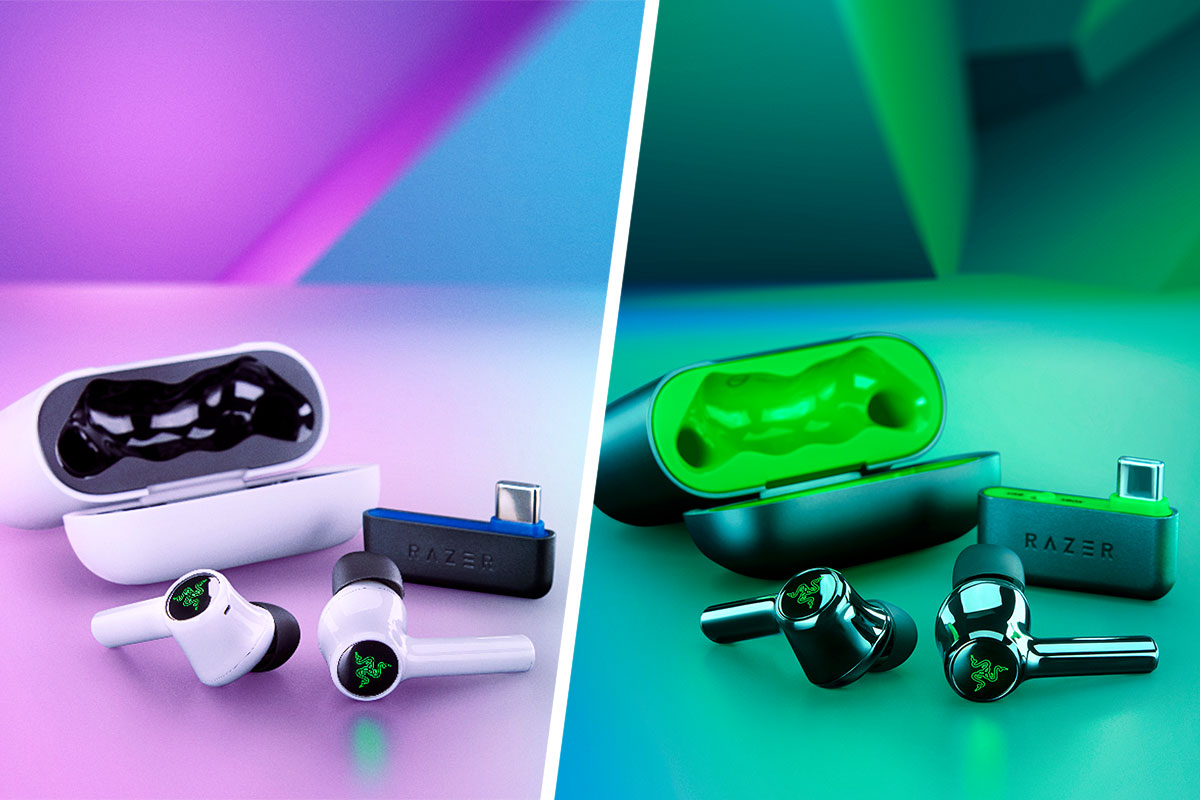
At the Consumer Electronics Show (CES) 2026, Razer unveiled a concept that might just redefine what we expect from wearable technology. Project Motoko is a revolutionary concept: a pair of premium wireless headphones equipped with dual cameras and powered by artificial intelligence (AI), designed to be a full-time “AI companion” for your daily life . This device is Razer’s bold answer to the burgeoning smart glasses market, but with a twist, proving that the future of AI wearables might not rest on our noses, but over our ears. The project, named after the iconic cyborg protagonist from the manga series Ghost in the Shell, signals a move towards augmenting human capability through a familiar and comfortable form factor .
This article delves deep into Project Motoko, exploring its design, functionality, potential use cases, and the significant implications it holds for the future of gaming, productivity, and AI integration in our everyday lives.
A New Form Factor for Wearable AI
Razer’s core philosophy behind Project Motoko is simple yet innovative. While many tech giants are betting big on smart glasses, Razer is taking a different path. The company believes that headphones offer a superior form factor for AI wearables for several compelling reasons, which we will explore .
The Visionary Hardware: Cameras in the Cans
At the heart of Project Motoko is its most distinguishing feature: the integration of dual first-person-view (FPV) cameras within the earcups . These two 12-megapixel 4K Sony sensors are positioned at eye level, designed to capture the user’s perspective with stereoscopic vision . This setup allows the device to perceive depth, spatial positioning, and fine detail in a way similar to human eyes, granting it an impressive situational awareness .
The key specifications of the hardware include:
-
Processor: An undisclosed yet powerful Qualcomm Snapdragon chip provides the computational horsepower needed for on-device AI processing . This SoC (System on Chip) is the brain of the operation, enabling the rapid analysis of visual data captured by the cameras, which ensures fast and responsive AI interaction for the user.
-
Cameras: Two 12MP Sony cameras deliver high-resolution, 4K video and still image capture . These are located in each earcup, allowing the system to create a stereoscopic view of the world. This field of view is said to be more natural and even extend beyond human peripheral vision, giving the wearer an “AI-enhanced” view of their environment .
-
Audio System: A sophisticated setup includes both far and near-field microphones . This advanced audio system is designed to clearly pick up voice commands from the user, even in noisy environments, while also being able to capture ambient sounds and dialogue from a distance. This allows the AI to understand not just what you see, but the audio context of your situation as well.
-
Battery Life: One of the most touted advantages over smart glasses is the potential battery life. Razer claims that Project Motoko could achieve up to an astounding 36 hours of battery life in testing . This is a significant leap compared to the 6 hours typically offered by devices like the Ray-Ban Meta glasses . This longevity is crucial for a device intended for all-day wear.
-
Form Factor: The headset’s design is expected to be inspired by Razer’s sleek and comfortable Barracuda line of lifestyle gaming headsets . This means users can expect a familiar, comfortable, and aesthetically pleasing design that doesn’t scream “wearable tech.”
The AI Engine: A Digital Eye and Ear
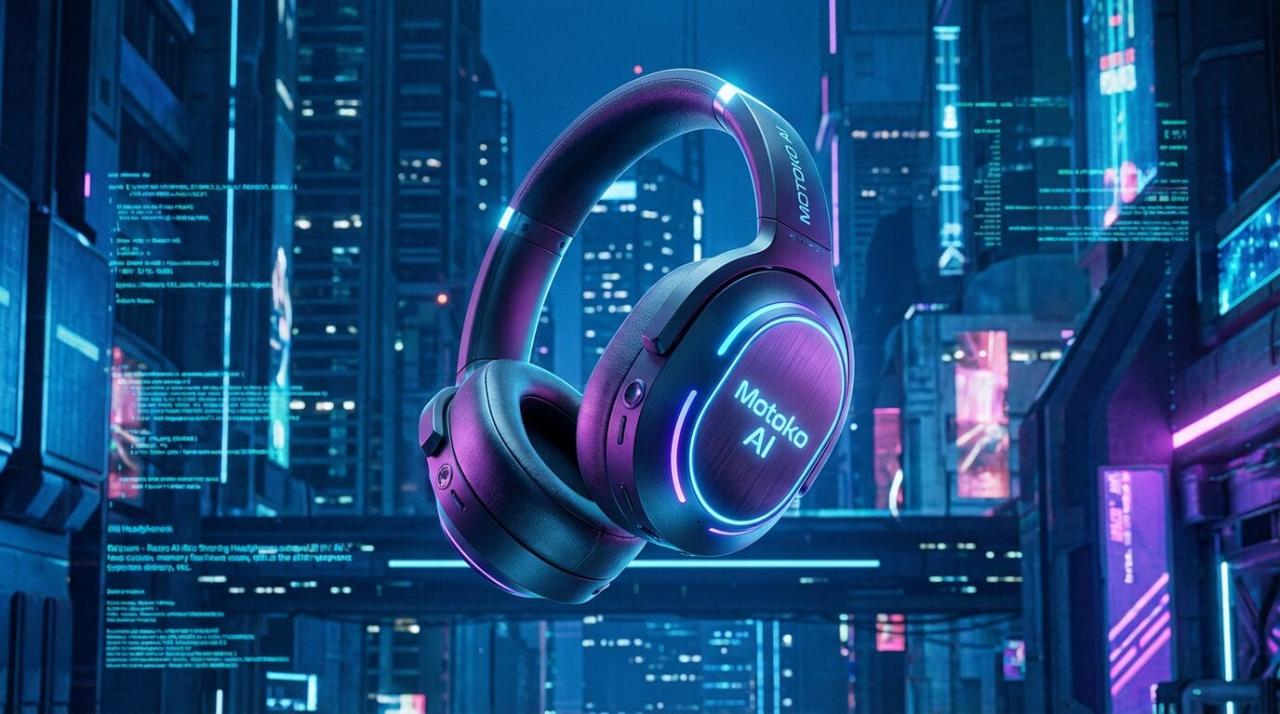
The hardware is only half the story. Project Motoko’s true potential lies in its software and AI integration. It’s designed to be an “AI-native” device, fully leveraging the power of its hardware to act as an intelligent companion .
How Motoko Sees and Understands the World
The process is seamless and natural. A user simply looks at an object, text, or scene, and uses a voice command to ask the AI about it . The dual cameras capture the visual data, the powerful Snapdragon chip processes it, and the AI model provides a spoken response directly into the user’s ears .
-
Real-Time Translation: This is one of the most compelling features. When traveling, a user can look at a foreign language menu, road sign, or document. Project Motoko can instantly translate the text and read the translation aloud, or display it (presumably via a future companion app) . This makes navigating foreign environments significantly easier and more intuitive.
-
Object Recognition and Assistance: Motoko can recognize and analyze objects in your surroundings. For example, you could look at a shelf of ingredients at home and ask, “What can I cook with these?” and Motoko’s AI will instantly generate a step-by-step recipe in your ears . Similarly, you could ask for information about a landmark, a product, or even get guidance on how to repair a piece of machinery .
-
Gaming Assistant: For its core audience, Razer envisions Motoko as a powerful companion. Imagine being stuck on a puzzle in a video game or needing to choose the best weapon attachments in a shooter like Battlefield. You could look at the screen, ask Motoko for help, and receive instant strategic advice and suggestions based on what the AI “sees” .
-
Privacy and Discretion: A significant benefit of the headphone design is privacy. Unlike smart glasses, which often use bone conduction or open-ear speakers that can leak audio, Motoko delivers audio directly into your ears . This ensures that your AI conversations, translations, and private queries remain confidential, making it suitable for use in offices, public transport, or any environment where discretion is valued.
Unmatched AI Flexibility: Platform-Agnostic Design
One of the most groundbreaking aspects of Project Motoko is its open approach to AI models. While most smart glasses are locked into a single ecosystem (e.g., Meta AI), Razer plans to make Motoko fully compatible with leading AI platforms . This means users could potentially choose their preferred AI engine.
-
Platform Compatibility: Motoko is designed to be compatible with all major AI models, including OpenAI’s ChatGPT, Google’s Gemini, and xAI’s Grok . This gives users the flexibility to switch between AI services based on their needs, such as using one for creative writing and another for factual queries.
-
Developer Kit: Razer has announced plans to release a developer kit for Project Motoko . This will allow third-party developers to create custom applications and integrations, unlocking even more potential use cases. By opening the platform, Razer is encouraging innovation and ensuring Motoko becomes much more than just a camera-equipped headset.
Project Motoko vs. The Competition: Smart Glasses vs. AI Headphones
Project Motoko is being positioned as a direct competitor to products like the Ray-Ban Meta AI glasses . However, Razer argues that its headphone design offers several distinct advantages .
A. Superior Battery Life
As mentioned, the potential 36-hour battery life dwarfs the battery life of most smart glasses, which typically last for a few hours at best . This makes Motoko practical for long journeys, extended gaming sessions, or a full day out without needing to constantly recharge.
B. Enhanced Privacy
The closed-back design of over-ear headphones ensures that audio remains private to the user. Smart glasses with open-ear audio can disturb others and make confidential interactions risky .
C. Comfort and Familiarity
Many people already wear headphones for hours a day to listen to music, game, or work. A headphone form factor offers a familiar and comfortable experience that many find preferable to wearing glasses, especially those who do not require prescription lenses . A Razer representative noted that there are an estimated 1.4 billion headset users globally, representing a massive, “untapped” market .
D. Superior Audio Quality
Headphones, by their very nature, are designed for high-fidelity audio. Project Motoko aims to deliver premium sound quality, making it an excellent pair of standard headphones when not using the AI features. Smart glasses often compromise on audio quality for the sake of form factor and open-ear technology.
Applications Beyond the Consumer: Training the Robots
Project Motoko has a fascinating potential use case that extends far beyond consumer convenience. Its ability to capture high-quality “first-person” visual and auditory data makes it a powerful tool for machine learning and robotics research .
-
Data Collection for Humanoids: By wearing Motoko, users can generate realistic, real-world datasets for training humanoid robots and autonomous systems. The device can capture nuanced human movement, decision-making, and interaction with the environment.
-
AI Training: This data is invaluable for teaching AI models how to navigate and interact with the physical world more naturally and effectively. Razer suggests this could accelerate progress in fields like robotics and automation .
The Road Ahead: Release and Future Potential
While currently a concept, Razer has stated that Project Motoko is more than just a design study; it’s a product that is intended to come to market. Industry reports suggest the company is aiming for a release later in 2026, at a price point competitive with leading smart glasses, which are currently around $300 .
-
Concept to Reality: Razer is known for showcasing wild concepts at CES, but Project Motoko is being reported as a device that is “more than halfway to production-ready” . The company seems serious about bringing this vision to life.
-
Potential Price Point: Razer has indicated that it plans to price Project Motoko competitively with the Ray-Ban Meta glasses, which start at approximately $300 . This would make it an accessible entry point into the world of advanced AI wearables.
Conclusion: A Glimpse into a More Intelligent Reality

Razer’s Project Motoko is a fascinating innovation that challenges our assumptions about wearable technology. By moving away from smart glasses and embedding powerful AI and cameras into a pair of premium headphones, Razer has created a device that feels both futuristic and practical. Its potential for seamless daily assistance, private AI interaction, and long battery life could make it a compelling accessory for gamers, travelers, professionals, and anyone curious about the integration of AI into daily life .
Project Motoko is more than just a gadget; it represents a significant step toward a future where our devices don’t just connect us to the digital world but actively perceive and understand our physical one, offering tailored advice and assistance in real-time. Whether it’s helping you navigate a new city, cooking a meal, or giving you the edge in your favorite game, the concept of a “seeing” and “thinking” headset is a bold one that could soon become a reality. Razer may have just proven that the best way to wear AI is not on your face, but comfortably over your ears. It’s a compelling vision that will be fascinating to see unfold.